30 Jul Policy Dialogue on “Youth and Hate Speech”
Event Agenda
| Time | Session Details |
|---|---|
| 02:50 PM – 03:10 PM | Guest Arrival & Registration |
| 03:10 PM – 03:15 PM | Opening Remarks: Imran Mukhtar (Session Moderator: Dr. Muhammad Hussain) |
| 03:15 PM – 03:45 PM | Session 1: Institutional and Legal Frameworks |
| 03:45 PM – 04:30 PM | Session 2: Curriculum, Campus Culture, and Pluralism |
| 04:30 PM – 05:00 PM | Session 3: Digital Disinformation and Collective Action |
| 05:00:5:30 | Concluding Remarks & Next Steps |
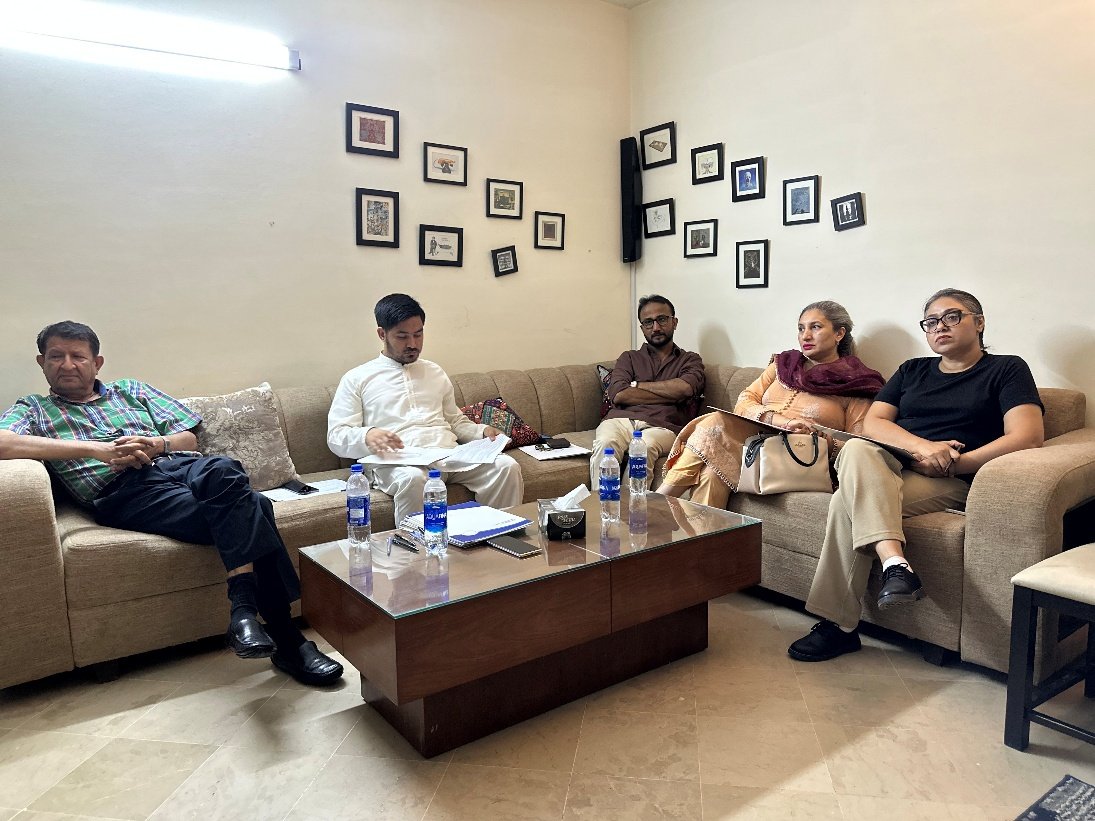
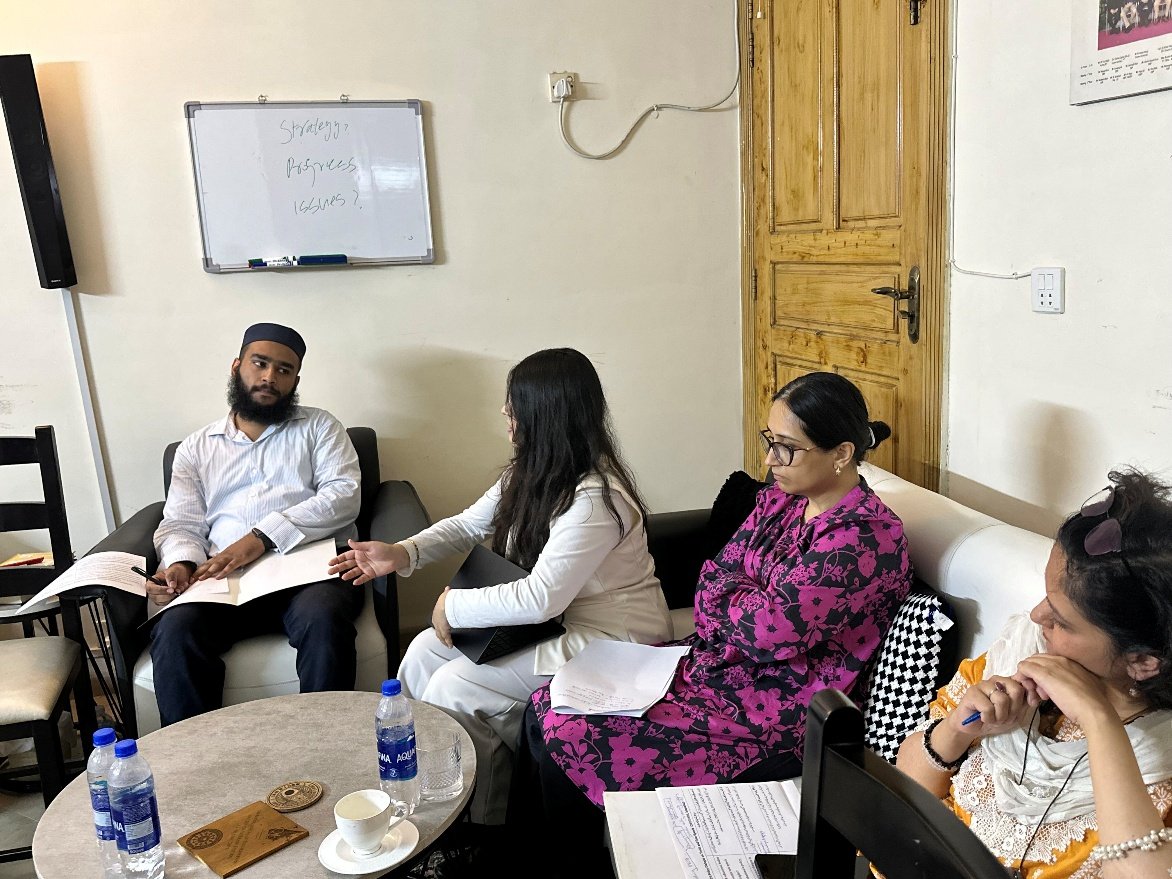
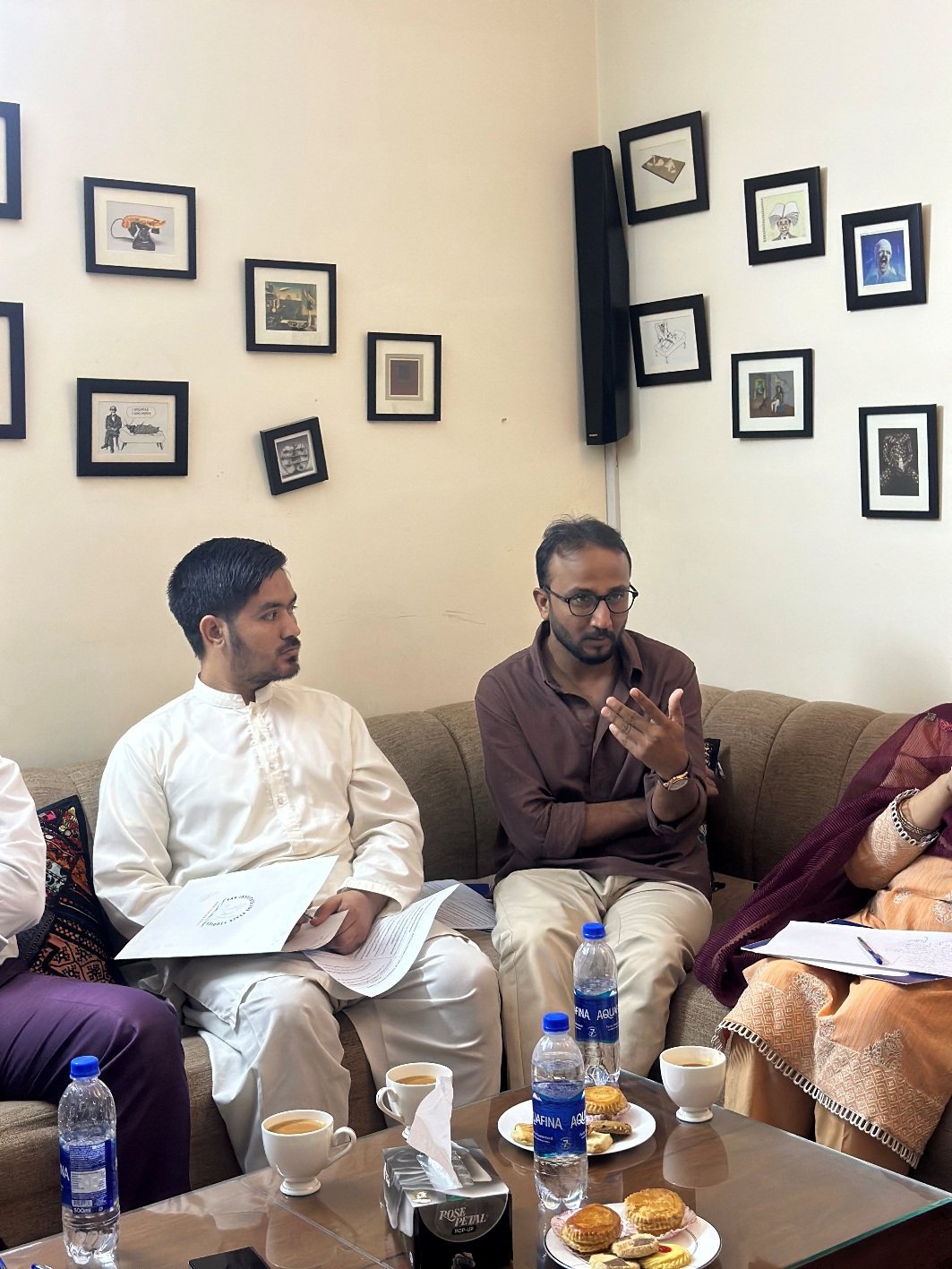
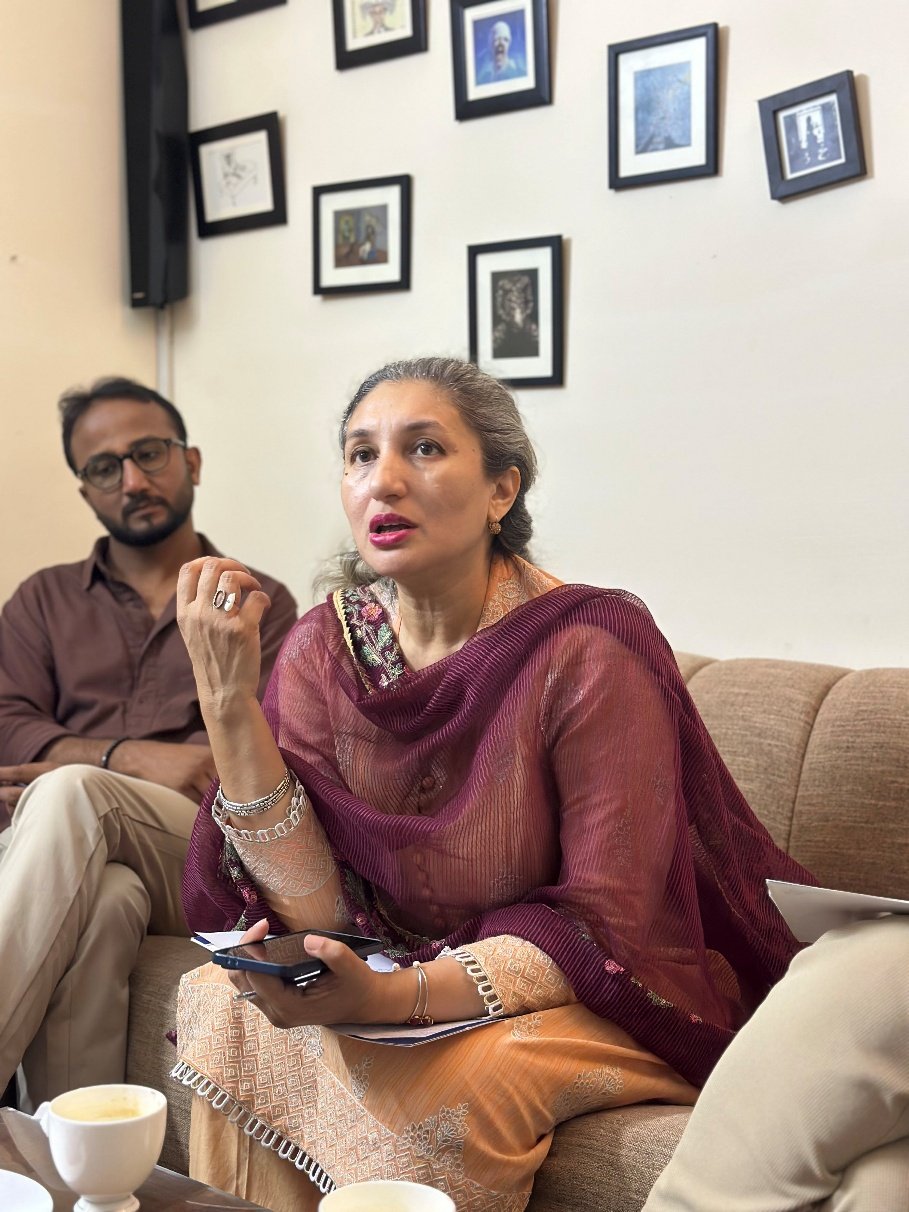
The Pak Institute for Peace Studies (PIPS) convened a Policy Dialogue on "Youth and Hate Speech" on 28 July 2026 at its Islamabad office, bringing together a diverse group of policymakers, educationists, religious scholars, academics, legal experts, development practitioners, interfaith peacebuilding professionals, and youth representatives. The dialogue provided a collaborative platform to examine the drivers and consequences of hate speech and to identify practical policy, educational, and community-based responses for strengthening social cohesion, democratic resilience, and responsible civic engagement among young people.
Drawing upon diverse institutional and professional experiences, participants engaged in an evidence-informed exchange of ideas, emphasizing that effectively addressing hate speech requires a balanced approach that protects constitutional freedoms while fostering respect for diversity, critical thinking, and peaceful coexistence.
Key Areas of Discussion
a. Institutional and Legal Frameworks
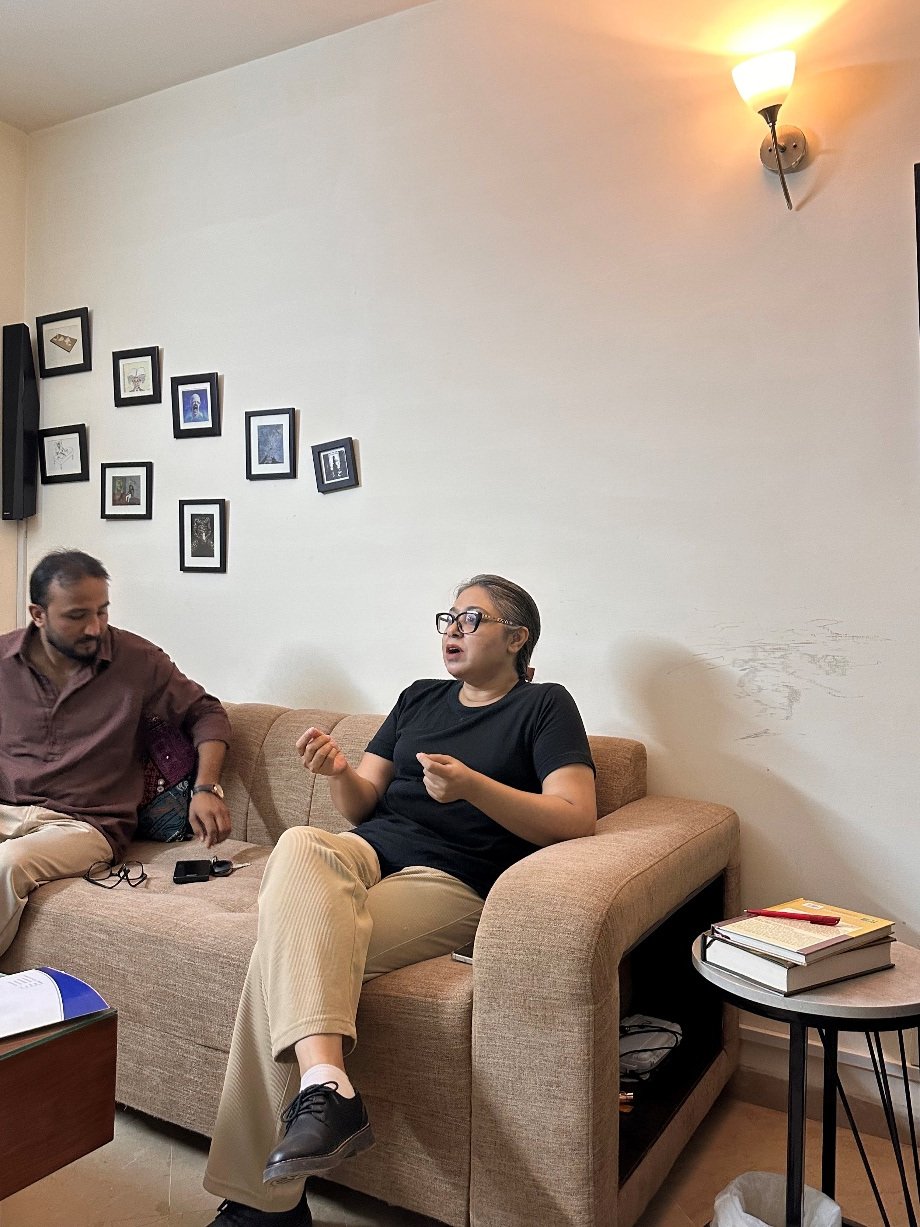
Participants examined the need for rights-based institutional and legal frameworks that enable young people to counter hate speech while safeguarding freedom of expression and digital rights. The discussion highlighted constitutional guarantees, effective policy implementation, independent monitoring mechanisms, and institutional accountability. Participants also expressed concern over the growing use of the Prevention of Electronic Crimes Act (PECA) and blasphemy-related laws to restrict legitimate political expression and to disproportionately affect marginalized religious and ethnic communities, underscoring the need for safeguards against misuse while ensuring accountability for genuine hate speech.
b. Curriculum, Campus Culture, and Pluralism
The dialogue emphasized that educational institutions must move beyond promoting passive tolerance toward cultivating critical thinking, mutual respect, and a culture of peaceful coexistence. Participants advocated for curriculum reform, inclusive campus environments, interfaith engagement, and youth leadership initiatives. Several participants recommended reviving democratic student unions in place of ethnically aligned student organizations, arguing that universities and madrasas should remain safe spaces where diverse opinions, beliefs, and identities are respected and constructive dialogue is encouraged.
c. Digital Disinformation and Collective Action
Participants reflected on the increasing role of digital misinformation, online polarization, and inflammatory narratives in fueling social divisions and real-world violence. They stressed the importance of coordinated action among policymakers, educational institutions, media organizations, technology platforms, civil society, and faith leaders to strengthen digital literacy, promote ethical online engagement, and develop evidence-based policy responses. Religious scholars and preachers were recognized as key stakeholders who can help counter hate speech by fostering respect for diversity, human dignity, and peaceful coexistence within their educational and religious communities.
Key Reflections
Participants unanimously agreed that countering hate speech requires sustained collaboration among government institutions, educational establishments, religious leaders, media professionals, civil society organizations, and young people themselves. They emphasized that youth should be recognized not merely as beneficiaries but as active partners in promoting peace, social cohesion, and democratic resilience.
The dialogue further highlighted the importance of investing in inclusive education, civic engagement, interfaith dialogue, digital citizenship, and evidence-based policymaking to build resilient communities capable of resisting polarization and violent extremism.
Distinguished Participants and Contributors
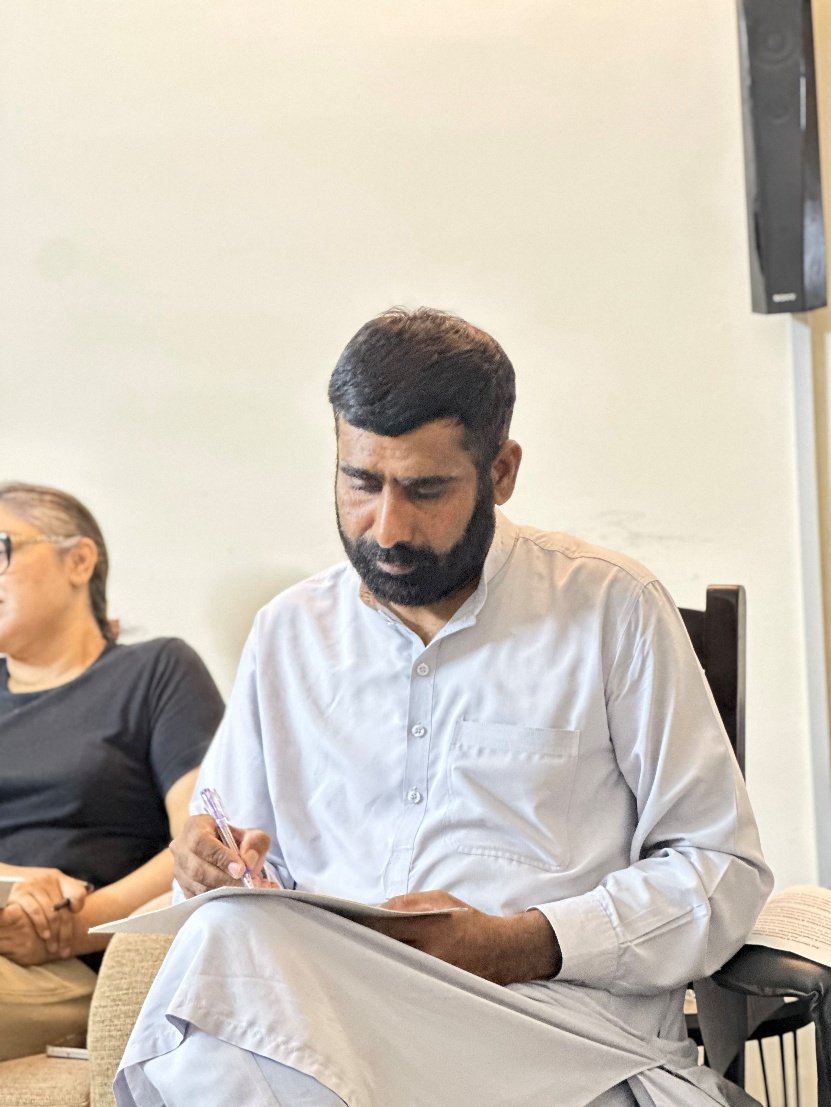
The policy dialogue benefited from the participation of a distinguished and multidisciplinary group of experts representing academia, government, religious institutions, civil society, the legal fraternity, and the development sector. Their collective expertise enriched the discussion by integrating policy, legal, educational, religious, and community perspectives.
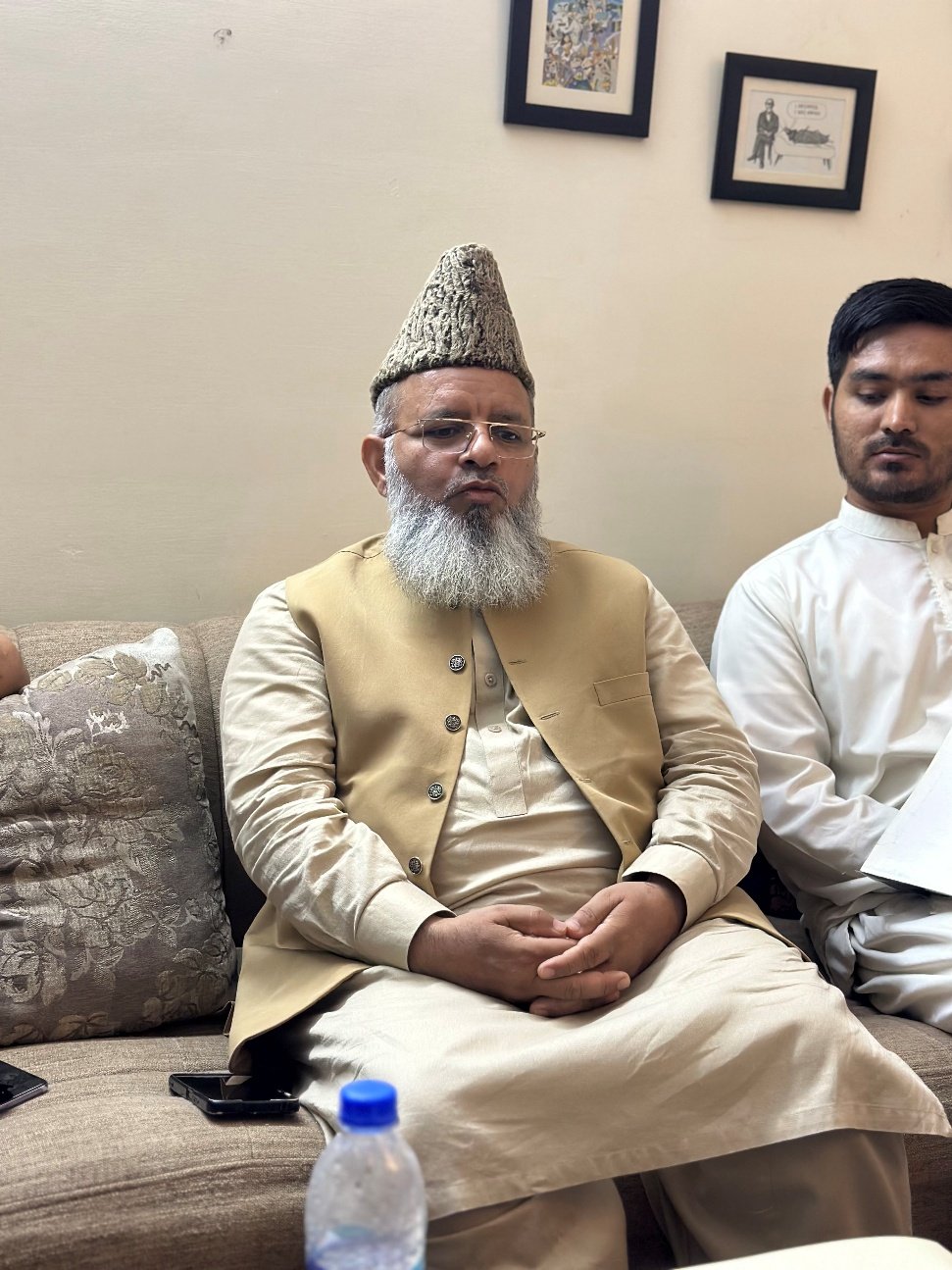
Among the notable participants were Maulana Dr. Raghib Hussain Naeemi, Chairman of the Council of Islamic Ideology; M. Israr Madarni, President of IRCRA; Advocate Deleep Kumar Doshi; development practitioner Ghulam Murtaza; Dr. Ishtiaq Ahmad and Dr. Salma Malik from Quaid-i-Azam University; education expert Rubeena Shaheen; Dr. Nadeem Abbas, Member of the Committee on Hate Speech and Religious Content at the Ministry of Religious Affairs; Ahmad Hafizi; Nauman Mushraq; Zeeba Hashmi, Founder of Ibtida for Education; Shireen Gul; Momina Aftab; Areeba Waseem; Areeba Suleman from Lahore Grammer School, and Dr. Muhammad Hussain, Editor, Educationist, and Program Officer at PIPS. Saqlain from Youth Empoy Network, Hafiz Sajjad from Council of Islamic Ideology
Drawing upon their diverse academic, professional, policy, and community experiences, participants offered practical recommendations for strengthening institutional responses, promoting interfaith understanding, enhancing digital responsibility, and empowering youth to become advocates of peace, inclusion, and constructive dialogue.
Conclusion
The Policy Dialogue reaffirmed that addressing hate speech demands a coordinated, whole-of-society approach rooted in constitutional values, educational transformation, responsible digital governance, and inclusive public discourse. By convening experts from diverse sectors, the event generated practical recommendations to strengthen institutional responses, reform educational practices, promote digital ethics, and expand opportunities for meaningful youth participation in peacebuilding.
PIPS expresses its sincere appreciation to all participants for their valuable contributions and continued commitment to advancing social cohesion, pluralism, and peaceful coexistence. The insights and recommendations generated during the dialogue will inform PIPS' future research, policy advocacy, and peacebuilding initiatives aimed at fostering a more inclusive, democratic, and harmonious Pakistan.
List of Participants
Keynote & Leadership
• Amir Rana — President, Pak Institute for Peace Studies (PIPS)
• Maulana Dr. Raghib Hussain Naeemi — Chairman, Council of Islamic Ideology (CII)
• Imran Mukhtar — Senior Journalist
• Areeba Waseem —Project Manager
• Dr. Muhammad Hussain — Editor, Educationist, and Program Officer, PIPS (Session Moderator)
Scholars, Government & Policy Experts
• M. Israr Madani — President, International Research Council for Religious Affairs (IRCRA)
• Dr. Nadeem Abbas — Member, Committee on Hate Speech and Religious Content, Ministry of Religious Affairs
• Hafiz Sajjad — Representative, Council of Islamic Ideology (CII)
• Advocate Deleep Kumar Doshi — Legal Expert & Practitioner
• Ghulam Murtaza — Development Practitioner
Academia & Education Experts
• Dr. Ishtiaq Ahmad — Quaid-i-Azam University (QAU)
• Dr. Salma Malik — Quaid-i-Azam University (QAU)
• Rubeena Shaheen — Education Expert
• Zeeba Hashmi — Founder, Ibtida for Education
Civil Society & Youth Representatives
• Saqlain — Youth Employ Network
• Ahmad Hafizi — Civil Society Representative
• Nauman Mushtaq — Civil Society Representative
• Shireen Gul — Youth Advocate
• Momina Aftab — Youth Advocate
• Ammara Zahaheer Youth Advocate
• Rabia Nasir Youth Advocate
• Areeba Suleman — Student Representative, Lahore Grammar School (LGS)